A Skill Learned Through Computer Gaming Helped Advance Joni's Career
In Finnish below - Suomenkielinen tarina alapuolella
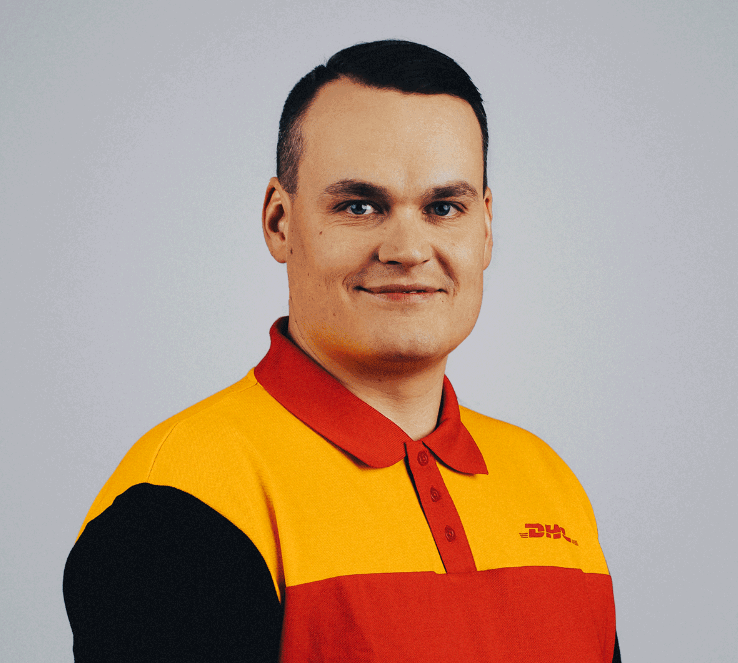
When Joni Wilhelmsson was younger, he could never have imagined himself in the role he holds today. His career began at vocational school, where he trained as a vehicle mechanic. Then came jobs in mechanics, welding and steel structures, followed by team leadership, supervision, logistics – and eventually responsibility for safety, quality, the environment and health.
There was no carefully mapped-out career plan. Instead, looking back, Joni realises there is one thing he has done time and again along the way: said yes.
“I guess that’s been the common thread throughout my career. I’ve pretty much always said yes. When you do what’s asked of you, treat people kindly at work and take care of your responsibilities, it usually helps you move forward.”
Today, Joni works as a SHEQ Lead at DHL Supply Chain Oy. He has been in his current role for four years and with the company for eight. And one thing has surprised him in particular.
“The opportunities for career development. When I was younger, I never would have expected to end up in a role like this.”
Meet the Future Maker
Name: Joni Wilhelmsson
Role: SHEQ Lead
Company: DHL Supply Chain Oy
Educational background: Vehicle mechanic, sheet metal worker and welder, vocational qualification in service logistics, and safety manager training
Years with the company: 8
Years in current role: 4
From Hands-On Work to New Responsibilities
Joni’s career began with something that came naturally to him. He had always enjoyed working with his hands and doing physical work. After completing his three-year vehicle mechanic qualification, he joined Wärtsilä as a mechanic. When work slowed down, he retrained as a sheet metal worker and welder, continuing his career in industrial subcontracting companies.
One of those companies manufactured platforms for drives. It was there that Joni’s responsibilities gradually began to change. First, he became a team leader, then a supervisor and eventually a Production Engineer. When the company went bankrupt, his career took another turn. Joni moved into pipe manufacturing and later into logistics, joining DHL Supply Chain as a supervisor.
Along the way, he has continued studying while working. His vocational qualification in service logistics focused on supervisory work, and he later completed safety manager training. When the logistics centre was being built and operations were starting up, Joni took on SHEQ responsibilities. For a while, he managed these alongside his supervisory duties. Once the project was completed, he moved away from supervision and made safety, health, environment and quality his full-time focus.
“I’ve been in the right place at the right time, and I’ve worked hard. I really enjoy my current role. It comes with responsibility and the opportunity to be involved in decision-making, but I also have a lot of independence in how I do my work.”
Computer Gaming Turned Out to Be a Surprisingly Valuable Career Skill
There is one detail in Joni’s career story that he probably would never have thought to highlight on his CV when he was younger: computer gaming. As a teenager, he spent a lot of time playing computer games and, without really thinking about it, learned how to use computers. That skill later proved valuable at work.
“That was actually the reason I first became a team leader. I was the only person on our team who could use a computer at the level the job required.”
Of course, computer skills alone do not explain his career progression, but Joni sees them as one of the key factors that opened doors for him. The experience taught him that valuable skills are not only learned at school or in the workplace.
“It’s important to recognise your own skills and have the confidence to talk about the things you do during your free-time, too.”
Safety Work Is About Much More Than Sitting at a Computer
The title SHEQ Lead might sound like a job spent mainly dealing with legislation, documents and instructions. Those are certainly part of Joni’s work, but his day-to-day responsibilities go much further.
He takes part in meetings covering safety and quality observations, near misses and environmental issues. If an accident occurs, he helps investigate why it happened. He plans workplace safety inspections, audits their results, leads safety meetings and trains employees. His responsibilities also include property-related matters and working with subcontractors. At the heart of his work is one recurring question: could we do this better?
“Whether I’m thinking things through on my own or with someone else, I’m always looking at how we could do something better, more safely and with higher quality.”
In practice, safety work is about much more than following rules. It involves constantly observing, questioning and improving the way things are done, together with others.
The Most Important Skill Is Knowing How to Connect with People
In a technical environment that is becoming increasingly digital, you might expect systems and technology to top the list of essential skills. But Joni puts something else first.
“When you work with people and need to go out onto the floor and interact with them, you have to be approachable. You need to consider your colleagues and remember that we’re all only human.”
People make mistakes, and they succeed. For Joni, what matters most is that they feel able to talk to one another. Throughout his career, he has learned that something which seems insignificant to one person can be a big deal to someone else. If small issues are left unspoken, they can grow into much bigger disagreements.
“The more openly you talk about things at work, the more it helps team spirit and how people work together.”
The same applies when you come across something you do not know how to do. You do not have to have all the answers when starting a new role.
“Even now, I sometimes find myself wondering how something is supposed to work. That’s when you have to be brave enough to raise your hand and ask. Usually, there’s someone who can help.”
When Forklifts No Longer Need Drivers
Joni has experienced manufacturing from several different perspectives throughout his career and now works in logistics. When asked about the biggest changes he has seen, he points to technology, digitalisation and especially artificial intelligence.
“When AI entered working life, it made so many things enormously easier. I’m sure it will make certain tasks even easier in the future.”
The changes are also visible in warehouses in very practical ways.
“These days, even forklifts can move around without drivers. The first time I saw one, I thought, what on earth is this? There’s no one behind the controls anymore.”
It is precisely this development that makes logistics interesting to Joni. Machines and equipment are evolving, robotics can be used in new ways, and warehousing continues to develop. Logistics itself has also turned out to be far more complex than he once imagined.
“There are an enormous number of things to consider before a product reaches the installation point. Sometimes the work is really hectic. And when it isn’t hectic, we’re thinking about how we can improve things and make processes more straightforward.”
Almost 1,100 Days Without a Lost-Time Accident
When Joni is asked what makes him proudest of his work, he needs a moment to think. Then the answer comes. At the time of the interview, his workplace was approaching 1,100 days without a workplace accident resulting in sick leave.
“That’s something I’m really proud of. The most important thing is that people stay healthy at work and don’t get hurt.”
Joni is quick to emphasise that this achievement is not down to any one person. Safety is a shared responsibility. Operational supervisors play an important role in putting safety practices into action and ensuring they are followed. The change is also reflected in how people approach their working environment and look out for one another.
“We pay attention to what’s happening around us, report safety observations and care about our working environment – and through that, about our colleagues. The workplace is much safer than it was four years ago.”
Guidelines and processes matter, but people matter most.
“People need to follow instructions and processes. They need to take an interest in and care about their own safety and that of others. If no one talks about things or pays attention to them, nothing can change.”
You Don’t Have to Be a Tech Expert to Work in Logistics
One of the things that makes logistics particularly interesting to Joni today is the rapid development of machinery, equipment, digitalisation and robotics. But that does not mean you need to be especially technically minded to enter the field.
“You don’t have to be a technical person to work in logistics.”
According to Joni, you can get started by learning to drive a forklift or pick products in a warehouse. Your professional skills develop gradually as you take on a wider range of tasks and begin to understand the logistics chain as a whole. And some of the equipment is pretty impressive in its own right.
“We even have a forklift that can reach 14 metres high. That’s quite an interesting piece of equipment.”
Advice to His Younger Self: Keep Learning, Seize Opportunities and Remember Life Outside Work
If Joni could go back to the beginning of his career and offer his younger self a few pieces of advice, the first would be about education and making the most of opportunities.
You do not need to know everything before saying yes. That is exactly how his own career has developed, one step at a time. Each new role has brought new skills, and when more knowledge was needed, he went out and learned it.
But work is not everything.
“Remember to keep work at work and home life at home. That’s probably the most important piece of advice.”
And then there is Joni’s personal motto:
“Go big or go home. In other words, if you’re going to do something, do it properly and give it your all.”
MAKE Future Makers: Joni Wilhelmssonin kultainen lanka on ollut sanoa mahdollisuuksille kyllä
Tietokonepeleistä löytynyt taito auttoi uralla eteenpäin
Kun Joni Wilhelmsson oli nuorempi, hän ei osannut kuvitella päätyvänsä nykyisen kaltaiseen tehtävään. Ura alkoi ammattikoulusta ja ajoneuvoasentajan opinnoista. Sitten tulivat mekaanikon työt, hitsaus, teräsrakenteet, tiiminvetäjän ja työnjohtajan tehtävät, logistiikka – ja lopulta vastuu turvallisuudesta, terveydestä, ympäristöstä ja laadusta (SHEQ).
Yhtä tarkkaa urasuunnitelmaa ei ollut. Sen sijaan Joni huomaa tehneensä matkan varrella yhden asian kerta toisensa jälkeen: sanoneensa kyllä.
– Se on ehkä mun uran kultainen lanka. Olen oikeastaan aina sanonut joo. Kun tekee ne asiat, joita kysytään, on ystävällinen työpaikalla ja hoitaa oman roolinsa, se yleensä vie eteenpäin.
Nyt Joni työskentelee DHL Supply Chain Oy:llä SHEQ Leadina eli turvallisuudesta, terveydestä, ympäristöstä ja laadusta vastaavana päällikkönä. Nykyisessä tehtävässään hän on ollut neljä vuotta ja yrityksessä yhteensä kahdeksan vuotta. Ja yksi asia on yllättänyt hänet erityisesti.
– Etenemismahdollisuudet. En olisi nuorempana osannut odottaa, että joskus olen tällaisessa roolissa.
Tutustu tekijään
Nimi: Joni Wilhelmsson
Tehtävä: SHEQ Lead
Yritys: DHL Supply Chain Oy
Koulutustausta: ajoneuvoasentaja, levyseppähitsaaja, palvelulogistiikan ammattitutkinto sekä turvallisuuspäällikkökoulutus
Nykyisessä yrityksessä: 8 vuotta
Nykyisessä tehtävässä: 4 vuotta
Käsillä tekemisestä kohti uusia vastuita
Jonin työura lähti liikkeelle siitä, mikä tuntui luontevalta. Hän oli aina pitänyt käsillä tekemisestä ja fyysisestä työstä. Ajoneuvoasentajan kolmivuotisten opintojen jälkeen hän pääsi Wärtsilälle mekaanikoksi. Kun töissä tuli hiljaisempaa, hän kouluttautui levyseppähitsaajaksi ja jatkoi töitä teollisuuden parissa alihankintayrityksissä.
Yhdessä niistä valmistettiin muuntaja-alustoja. Siellä Jonin työ alkoi vähitellen muuttua: ensin hänestä tuli tiiminvetäjä, sitten työnjohtaja ja lopulta Production Engineer. Kun yritys meni konkurssiin, ura kääntyi jälleen uuteen suuntaan. Joni siirtyi putkivalmistukseen ja sieltä logistiikkaan. DHL Supply Chainilla hän aloitti työnjohtajana.
Vuosien aikana hän on myös jatkanut opiskelua työn ohessa. Palvelulogistiikan ammattitutkinto painottui esihenkilötyöhön, ja myöhemmin hän suoritti turvallisuuspäällikkökoulutuksen. Kun logistiikkakeskusta rakennettiin ja toiminta käynnistyi, Joni sai vastuulleen SHEQ-tehtäviä. Jonkin aikaa hän hoiti niitä työnjohtajan tehtävien rinnalla. Projektin valmistuttua työnjohto jäi pois ja turvallisuudesta, laadusta, ympäristöstä ja terveydestä tuli hänen päätyönsä.
– Olen ollut oikeassa paikassa oikeaan aikaan ja tehnyt paljon hommia. Tykkään nykyisestä roolista. Siinä on vastuuta ja pääsen osallistumaan päätöksiin, mutta saan myös tehdä työni hyvin itsenäisesti.
Tietokonepelit osoittautuivat yllättäväksi työelämätaidoksi
Jonin urapolulla on yksi yksityiskohta, jota hän tuskin olisi nuorempana osannut merkitä ansioluetteloonsa erityiseksi urataidoksi: tietokonepelit. Hän pelasi nuorena paljon ja oppi siinä samalla käyttämään tietokoneita. Työelämässä taidolle löytyi käyttöä.
– Se oli oikeastaan syy, miksi alun perin pääsin tiiminvetäjäksi. Olin meidän tiimistä ainoa, joka osasi käyttää tietokonetta työssä vaadittavalla tasolla.
Pelkkä tietokoneen käyttötaito ei tietenkään selitä uralla etenemistä, mutta Joni pitää sitä yhtenä ratkaisevana avaimena. Kokemus on opettanut hänelle, ettei osaaminen synny ainoastaan koulussa tai työpaikalla.
– On tärkeää muistaa oma osaaminen ja sanoa rohkeasti myös ne asiat, joita tekee kotona.
Turvallisuustyötä ei tehdä vain tietokoneen ääressä
SHEQ Lead saattaa kuulostaa tehtävältä, jossa työpäivä kuluu lakien, dokumenttien ja ohjeiden parissa. Niitäkin työhön kuuluu, mutta Jonin arki on paljon muutakin.
Hän osallistuu palavereihin, joissa käsitellään esimerkiksi turvallisuus- ja laatuhavaintoja, läheltä piti -tilanteita ja ympäristöhavaintoja. Jos sattuu tapaturma, selvitetään, miksi niin tapahtui. Hän suunnittelee tarkastuskävelyjä, auditoi niiden tuloksia, vetää turvallisuuspalavereita ja kouluttaa henkilöstöä. Lisäksi hänen vastuulleen kuuluu kiinteistöön liittyviä asioita ja yhteistyötä alihankkijoiden kanssa. Työn ytimessä toistuu yksi kysymys: voisiko tämän tehdä paremmin?
– Mietin joko itsenäisesti tai jonkun muun kanssa, miten tämän voisi tehdä paremmin, turvallisemmin ja laadukkaammin.
Käytännössä turvallisuustyö tarkoittaa siis paljon muutakin kuin sääntöjä. Se on jatkuvaa havainnointia ja kehittämistä yhdessä muiden kanssa.
Tärkein taito löytyy ihmisten kohtaamisesta
Teknisessä ja nopeasti digitalisoituvassa ympäristössä voisi kuvitella, että tärkeimpien taitojen listan kärjessä olisivat järjestelmät ja teknologia. Joni nostaa ensimmäiseksi jotain muuta.
– Kun ihmisten kanssa tekee töitä ja pitää jalkautua kentälle ihmisten lähelle, täytyy olla helposti lähestyttävä. Pitää ottaa työkaverit huomioon ja ymmärtää, että me ollaan kaikki vain ihmisiä.
Työssä saa tehdä virheitä ja onnistua. Jonin mielestä olennaista on, että ihmiset pystyvät puhumaan toisilleen. Hän on oppinut työuransa aikana, että toiselle pieneltä näyttävä asia voi olla toiselle suuri. Jos pienistä asioista ei puhuta, niistä voi kasvaa suurempia erimielisyyksiä.
– Mitä avoimemmin työasioista puhuu, sitä enemmän se auttaa ryhmähenkeä ja dynamiikkaa.
Sama pätee tilanteisiin, joissa oma osaaminen loppuu kesken. Uuteen tehtävään ei tarvitse tulla valmiina.
– Vieläkin tulee tilanteita, joissa mietin, että miten tämä nyt menee. Silloin pitää uskaltaa nostaa käsi pystyyn ja kysyä. Yleensä löytyy joku, joka osaa auttaa.
Kun trukissa ei enää istukaan kuljettajaa
Joni on nähnyt työuransa aikana valmistavaa teollisuutta monesta näkökulmasta ja työskentelee nyt logistiikassa. Suurimmaksi muutokseksi hän nostaa teknologian, digitalisaation ja erityisesti tekoälyn.
– Kun tekoäly tuli työelämään, moni asia helpottui valtavasti. Varmasti se tulee helpottamaan tiettyjä asioita vielä todella paljon.
Myös varastossa muutos näkyy konkreettisesti.
– Nykyään trukitkin liikkuvat ilman kuljettajaa. Kun näin sen ensimmäisen kerran, ajattelin, että mitä tämä nyt on – ei ole enää ihminen puikoissa.
Juuri kehitys tekee logistiikasta Jonille kiinnostavaa. Koneet ja laitteet muuttuvat, robotiikkaa voidaan hyödyntää uusilla tavoilla ja varastointi kehittyy. Logistiikkakaan ei osoittautunut niin yksinkertaiseksi maailmaksi kuin hän oli aikanaan ajatellut.
– Siinä on valtavasti asioita, jotka pitää ottaa huomioon ennen kuin tavara on asennuspisteellä. Välillä työ on todella hektistä. Kun ei ole hektistä, mietitään taas, miten voidaan parantaa ja suoristaa mutkia.
Melkein 1 100 päivää ilman poissaoloon johtanutta työtapaturmaa
Kun Jonilta kysyy, mistä hän on työssään kaikkein ylpein, vastausta täytyy hetki hakea. Sitten se löytyy. Haastatteluhetkellä työpaikalla lähestyttiin 1 100 päivää ilman sairauslomaan johtanutta työtapaturmaa.
– Siitä olen tosi ylpeä. Se on suurin asia, että ihmiset pysyvät terveinä töissä eivätkä satuta itseään.
Joni korostaa heti, ettei tulos ole yhden ihmisen ansiota. Turvallisuutta tehdään yhdessä. Operatiivisella työnjohdolla on tärkeä tehtävä käytäntöjen viemisessä arkeen ja niiden noudattamisen valvomisessa. Muutos näkyy myös siinä, miten työpaikalla suhtaudutaan ympäristöön ja toisiin ihmisiin.
– Meillä havainnoidaan, tehdään turvallisuushavaintoja ja välitetään työympäristöstä ja sitä kautta kollegoista. Työpaikka on paljon turvallisempi kuin neljä vuotta sitten.
Ohjeet ja prosessit ovat tärkeitä, mutta ihmiset ovat kaikkein tärkeimpiä.
– Ihmisten pitää noudattaa ohjeita ja prosesseja. Heidän pitää kiinnostua ja välittää itsestään ja muista. Jos asioista ei puhuta eikä kukaan kiinnitä niihin huomiota, mikään ei voi muuttua.
Logistiikkaan ei tarvitse tulla valmiina tekniikan taitajana
Logistiikka kiinnostaa Jonia juuri nyt muun muassa koneiden, laitteiden, digitalisaation ja robotiikan nopean kehityksen vuoksi. Se ei kuitenkaan tarkoita, että alalle päästäkseen pitäisi valmiiksi olla erityisen tekninen ihminen.
– Ei tarvitse olla tekninen ihminen, että voi työskennellä logistiikassa.
Alkuun pääsee hänen mukaansa esimerkiksi opettelemalla trukin ajamista tai tuotteiden keräämistä. Ammattitaito syvenee vähitellen, kun oppii monipuolisempia tehtäviä ja alkaa ymmärtää koko logistiikkaketjua. Ja laitteet voivat itsessään olla aika vaikuttavia.
– Meilläkin on trukki, joka nousee 14 metriin. Se on aika mielenkiintoinen laite.
Nuoremmalle Jonille: opiskele, tartu tilaisuuksiin ja muista elämä työn ulkopuolella
Jos Joni voisi palata uransa alkuun ja antaa nuoremmalle itselleen muutaman neuvon, ensimmäiset liittyisivät opiskeluun ja mahdollisuuksiin tarttumiseen. Kaikkea ei tarvitse osata ennen kuin sanoo kyllä. Hänen oma uransa on rakentunut vaihe vaiheelta juuri näin: uusi tehtävä on tuonut mukanaan uusia taitoja, ja tarvittaessa niitä on opiskeltu lisää. Mutta työ ei ole koko elämä.
– Muista pitää työ työnä ja kotiasiat kotiasioina. Se on ehkä tärkein vinkki.
Ja sitten on vielä Jonin oma motto:
– ‘Go big or go home’. Eli, jos teet jotain, tee se isosti. Kaikki pitää tehdä kunnolla, mitä tehdään.